Last updated: February 2026
Reading time: 10 minutes
Search terms like:
- “RSO oil for cancer”
- “Does Rick Simpson Oil cure cancer?”
- “THC oil cancer treatment”
- “RSO success stories”
- “How to use RSO for cancer”
generate significant search traffic.
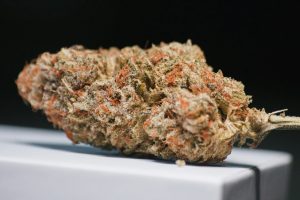
Rick Simpson Oil (RSO) has become one of the most talked-about cannabis extracts in medical forums and online communities. It is often associated with cancer treatment claims — some highly dramatic.
But what does the science actually show?
This guide breaks down:
- What RSO is
- Why it became linked to cancer
- What lab studies show
- What human research shows
- What is proven — and what is not
What Is Rick Simpson Oil (RSO)?
Rick Simpson Oil is a highly concentrated cannabis extract, typically:
- Full-spectrum
- High in THC
- Thick, dark, tar-like in consistency
- Taken orally or applied topically
It is named after Rick Simpson, who claimed cannabis oil helped treat his own skin cancer in the early 2000s.
RSO is different from typical vape distillate because:
- It contains a broader range of cannabinoids
- It may contain terpenes and plant compounds
- It is usually not purified to isolated THC
Internal link: Live Resin vs Distillate: What’s the Difference in THC Vapes?
Why Is RSO Associated With Cancer?
The connection comes from:
- Personal anecdotal reports
- Viral online testimonials
- Laboratory studies showing cannabinoids interacting with cancer cells
It is important to separate anecdote from clinical evidence.
Online success stories are not controlled medical trials.
What Do Laboratory Studies Show?
In laboratory settings (in vitro studies), cannabinoids including THC have been shown to:
- Affect cancer cell signalling
- Influence apoptosis (programmed cell death)
- Interact with tumour growth pathways
- Reduce inflammation markers
Some animal studies have suggested tumour growth modulation under certain conditions.
However:
- These studies are conducted in controlled lab environments — not human clinical cancer patients.
- Cell culture results do not automatically translate into real-world medical treatment.
What Do Human Clinical Trials Show?
This is where clarity matters.
As of now:
- There is limited high-quality clinical trial evidence showing RSO cures cancer.
- Cannabinoids have been studied more extensively for symptom management rather than tumour eradication.
Cannabis-derived medicines are approved in some regions for:
- Pain management
- Nausea during chemotherapy
- Appetite stimulation
- Spasticity
But not as standalone cancer cures.
Major cancer research institutions do not currently list RSO as a proven cancer treatment.
THC and Cancer: Mechanism vs Outcome
Cannabinoids interact with:
- CB1 receptors
- CB2 receptors
CB2 receptors are found in immune cells and have been studied in tumour-related contexts.
Some research suggests:
Cannabinoids may influence:
- Cell proliferation
- Angiogenesis (blood vessel formation)
- Immune modulation
But influencing a pathway is not the same as curing a disease.
Clinical oncology requires:
- Controlled human trials
- Long-term survival data
- Reproducible outcomes
These standards have not yet been met for RSO as a cure.
Why Do Some People Believe RSO Works?
Several factors contribute:
- Powerful anecdotal stories
- Distrust in pharmaceutical systems
- Symptom relief during treatment
- Anti-inflammatory effects
- Immune-modulating effects
It is possible for RSO to:
- Reduce pain
- Improve appetite
- Reduce nausea
- Improve sleep
Symptom relief can significantly improve quality of life — but this is different from curing cancer.
Internal link: THC and Sleep: Does Vaping Help or Harm Rest?
Risks of Using RSO Without Medical Oversight
High-THC extracts like RSO can:
- Cause intense intoxication
- Trigger anxiety
- Increase heart rate
- Interact with medications
Cancer patients are often on complex medication regimens.
THC may interact with:
- Chemotherapy drugs
- Immunotherapy
- Liver-metabolised medications
Medical supervision is critical.
Internal link: THC and Alcohol: What Happens When You Mix Them? (drug interaction concept)
Potency and Overconsumption Risk
RSO is extremely potent.
Typical RSO may contain:
- 60–90% THC
High potency increases risk of:
- Overconsumption
- Anxiety
- Sedation
- Cognitive impairment
Internal link: THC Potency Explained: What Does 90% THC Mean?
Is RSO Legal?
Legality varies by region.
In some jurisdictions:
- High-THC extracts are legal with prescription
- Recreational cannabis is legal
- Medical cannabis programmes allow concentrated oils
In others:
- THC extracts remain illegal
- Possession may carry legal consequences
Internal link: Understanding THC Regulations Globally
What Major Health Authorities Say
Major cancer research bodies generally state:
- More research is needed
- Cannabinoids may help manage symptoms
- Evidence does not currently support replacing conventional cancer treatments with cannabis oil
This does not mean research is closed — it means it is ongoing.
Important Distinction: Complementary vs Replacement
There is a major difference between:
- Using cannabinoids alongside conventional treatment (under medical guidance)
- and
- Replacing proven cancer therapies with unverified alternatives.
The second approach carries serious medical risk.
Frequently Asked Questions
Does RSO cure cancer?
There is currently no high-quality clinical evidence proving RSO cures cancer in humans.
Are there studies showing THC kills cancer cells?
Yes — in laboratory environments. Human clinical outcomes are far more complex.
Can RSO help with chemotherapy side effects?
Cannabinoids are studied for symptom management, including nausea and appetite support.
Is RSO stronger than THC vape oil?
RSO is typically full-spectrum and taken orally, producing longer-lasting and more intense effects.
Internal link: How Long Does a THC Vape High Last?
The Bigger Picture
Cannabinoids are biologically active compounds.
Laboratory studies show interesting interactions with cancer cell pathways.
However:
There is currently insufficient high-quality clinical evidence to classify RSO as a proven cancer cure.
Most validated medical use of cannabis today focuses on symptom management rather than tumour eradication.
Understanding the difference between laboratory data and clinical proof is essential.
Final Thoughts
Rick Simpson Oil (RSO) is a high-THC cannabis extract frequently discussed in relation to cancer.
While laboratory studies show cannabinoids interact with cancer-related pathways, there is not yet strong clinical evidence supporting RSO as a standalone cancer cure.
Anyone considering cannabis oil during cancer treatment should consult a qualified medical professional.
For broader context on THC products, potency, and safety, explore:
THC Vape Liquids: Quality & Safety Explained
For the complete guide to THC vape quality, safety and standards — read our full guide here