This one drives traffic and reinforces safety authority while quietly strengthening trust positioning.
Machine mode.
Last updated: February 2026
Reading time: 9–10 minutes
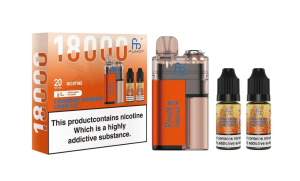
Counterfeit THC vape products exist in many markets. Some look nearly identical to legitimate products but may contain diluted oil, harmful additives, inaccurate potency levels, or unsafe hardware.
Low-quality vape cartridges are one of the biggest safety risks in the THC category.
This guide explains:
- How counterfeit THC vapes differ from legitimate products
- Visual warning signs
- Ingredient red flags
- Packaging inconsistencies
- Why lab transparency matters
- How to reduce your risk
Quick Answer: Red Flags of a Counterfeit THC Vape
Be cautious if you notice:
- No ingredient transparency
- No cannabinoid percentage listed
- Extremely low pricing
- Generic packaging
- Spelling errors or poor print quality
- Oil that looks unusually thin or overly thick
- Chemical or harsh taste
If multiple red flags are present, avoid the product.
Why Counterfeit THC Vapes Exist
Counterfeit products are typically created to:
- Cut production costs
- Imitate popular brands
- Dilute THC with cheaper substances
- Exploit high demand
Because THC vape cartridges are small and high value, they are easy to replicate and resell.
In unregulated environments, verification becomes difficult.
Packaging Red Flags
1. Poor Print Quality
Look for:
- Blurry logos
- Crooked labels
- Faded colours
- Spelling mistakes
Legitimate manufacturers maintain consistent packaging quality.
2. Missing Batch Numbers
Reputable products include:
- Batch or lot numbers
- Manufacturing dates
- Expiry information
Absence of this data is a warning sign.
3. No Lab QR Code or Transparency
Many legitimate products provide:
- QR codes
- Certificate of Analysis (COA)
- Cannabinoid breakdown
If no verification is available, caution is advised.
For deeper understanding, see:
Cannabinoid Lab Testing: What Tests Really Mean for Safety
Oil Appearance: What to Look For
While appearance alone cannot confirm quality, some indicators help.
Oil Too Thin
May indicate:
- Dilution with cutting agents
- Addition of thinning compounds
Oil Extremely Thick and Sticky
In illicit markets, thickening agents such as vitamin E acetate were used to mimic high-quality oil.
See:
What Is Vitamin E Acetate and Why It Matters in THC Vapes
Cloudy or Discoloured Oil
High-quality THC oil is typically:
- Clear
- Amber or light gold
Cloudiness may indicate contamination or poor storage.
Hardware Quality Warning Signs
Low-quality cartridges may have:
- Loose mouthpieces
- Leaking oil
- Poor threading
- Weak airflow
- Uneven heating
Poor hardware can cause:
- Harsh vapour
- Burnt taste
- Inconsistent dosing
See also:
The Role of Vape Hardware Materials in Product Safety
Price That Seems Too Good to Be True
Extremely low pricing can indicate:
- Dilution
- Synthetic cannabinoids
- Counterfeit production
- Substandard hardware
High-potency THC oil has real production cost.
Unusually cheap products should raise questions.
Ingredient Transparency Matters
Legitimate products clearly state:
- THC percentage
- Cannabinoid breakdown
- Additives (if any)
- Terpene content
Be cautious of:
- “Proprietary blend” language
- No percentage disclosure
- No cannabinoid profile
Synthetic Cannabinoid Risk
Some counterfeit products may contain:
- Synthetic cannabinoids
- Unknown research chemicals
These can produce:
- Stronger-than-expected effects
- Severe anxiety
- Unpredictable reactions
See:
Are Synthetic Cannabinoids in Vapes Safe?
Harsh or Chemical Taste
A properly formulated vape should not taste:
- Sharp or metallic
- Strongly chemical
- Artificially harsh
Persistent throat burn at low temperature can indicate quality issues.
See also:
THC Vape Side Effects: What’s Normal and What’s Not
Why Lab Testing Is Critical
Certificates of Analysis (COAs) typically verify:
- Cannabinoid potency
- Residual solvents
- Heavy metals
- Pesticides
While not foolproof, transparent testing adds a layer of accountability.
Absence of testing increases uncertainty.
Common Consumer Mistakes
Consumers often rely solely on:
- Oil thickness
- Branding
- Price
- Social media hype
These factors alone do not confirm quality.
Verification matters more than aesthetics.
What to Do If You Suspect a Counterfeit Product
Stop using it.
Monitor for symptoms such as:
- Chest pain
- Severe coughing
- Chemical taste
- Nausea
If symptoms persist, seek medical advice.
How to Reduce Risk
Practical checklist:
- Avoid unverified sellers
- Check packaging carefully
- Look for transparent labelling
- Avoid suspiciously cheap products
- Verify lab testing where available
- Store cartridges properly
- Monitor for unusual side effects
See also:
THC Vape Storage Conditions: Best Practices for Longevity
Frequently Asked Questions
Are counterfeit THC vapes dangerous?
They can be. Risks depend on ingredients and hardware quality.
How common are fake cartridges?
Counterfeit products exist in unregulated markets.
Can lab tests be faked?
Yes, which is why source credibility matters.
Does thicker oil mean better quality?
Not necessarily. Thickness can be manipulated.
What’s the biggest red flag?
Lack of ingredient transparency combined with unusually low pricing.
Final Thoughts
Counterfeit and low-quality THC vapes present greater risk than regulated, transparent products.
The biggest risk factors include:
- Unknown ingredients
- Lack of lab transparency
- Suspiciously low pricing
- Poor hardware construction
Understanding these warning signs protects both health and experience.
For a complete safety overview, see:
THC Vape Liquids: Quality & Safety Explained
For the complete guide to THC vape quality, safety and standards — read our full guide here