
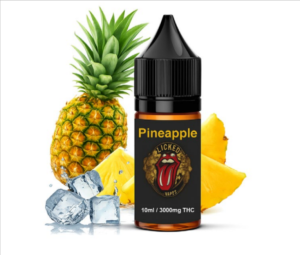
Delta-9 THC is one of the most widely recognised cannabinoids found in the cannabis plant. In regions where it is legally produced and regulated, it is commonly used in a range of consumer products, including vape liquids. This article provides a general, educational overview of what Delta-9 THC is and how it is typically made, without offering advice or guidance on use.
Important note: Laws and regulations surrounding THC vary widely by country and region. This content is intended for informational purposes only.
What Is Delta-9 THC?
Delta-9 tetrahydrocannabinol (commonly referred to as Delta-9 THC) is a naturally occurring cannabinoid found in cannabis plants. Cannabinoids are chemical compounds that interact with the body’s endocannabinoid system, which plays a role in maintaining balance within the body.
Delta-9 THC is distinct from other cannabinoids such as CBD, Delta-8 THC, or HHC due to its molecular structure. Even small differences at the molecular level can result in noticeably different characteristics between cannabinoids.
For more information about Delta-9 THC and how its used, click here
Where Does Delta-9 THC Come From?
Delta-9 THC occurs naturally in cannabis plants, particularly in varieties cultivated for regulated markets. The compound exists in raw plant material primarily as THCA (tetrahydrocannabinolic acid), which converts into Delta-9 THC through a process known as decarboxylation when exposed to heat.
In jurisdictions where production is permitted, manufacturers extract cannabinoids from plant material using controlled processes designed to isolate specific compounds.
How Is Delta-9 THC Made for Vape Products?
In regulated environments, the production of Delta-9 THC vape liquids generally follows several key steps:
- 1. ExtractionCannabinoids are extracted from plant material using methods such as CO₂ extraction or other industry-standard techniques. These processes aim to separate cannabinoids from unwanted plant matter.
- 2. RefinementThe extracted material is refined to remove impurities and to concentrate the desired cannabinoid. This step is essential for consistency and quality control.
- 3. FormulationOnce refined, Delta-9 THC may be blended into a vape-compatible base. Some formulations include additional compounds, while others are intentionally kept minimal to focus on purity and consistency.
- 4. Testing and VerificationIn compliant markets, products are typically tested by third-party laboratories to verify cannabinoid content and ensure they meet local regulatory standards.
Delta-9 THC vs Other Cannabinoids
Delta-9 THC is often compared to other cannabinoids such as Delta-8 THC or CBD. While these compounds share similarities, they are chemically distinct and are produced differently. Understanding these differences helps consumers make informed decisions in regions where such products are legally available.
A more detailed comparison between cannabinoids will be covered in a separate article.
Why Manufacturing Standards Matter
The quality of a Delta-9 THC vape product depends heavily on how it is made. Factors such as extraction method, ingredient transparency, and independent testing all contribute to product consistency. Reputable manufacturers operating in regulated markets prioritise these standards as part of responsible production.
Final Thoughts
Delta-9 THC is a well-known cannabinoid with a defined chemical structure and a long history of study. In areas where its production and sale are permitted, understanding how it is sourced and manufactured can help consumers better understand the products they encounter.
As regulations continue to evolve globally, it remains important for individuals to be aware of local laws and to seek information from reliable, transparent sources.